

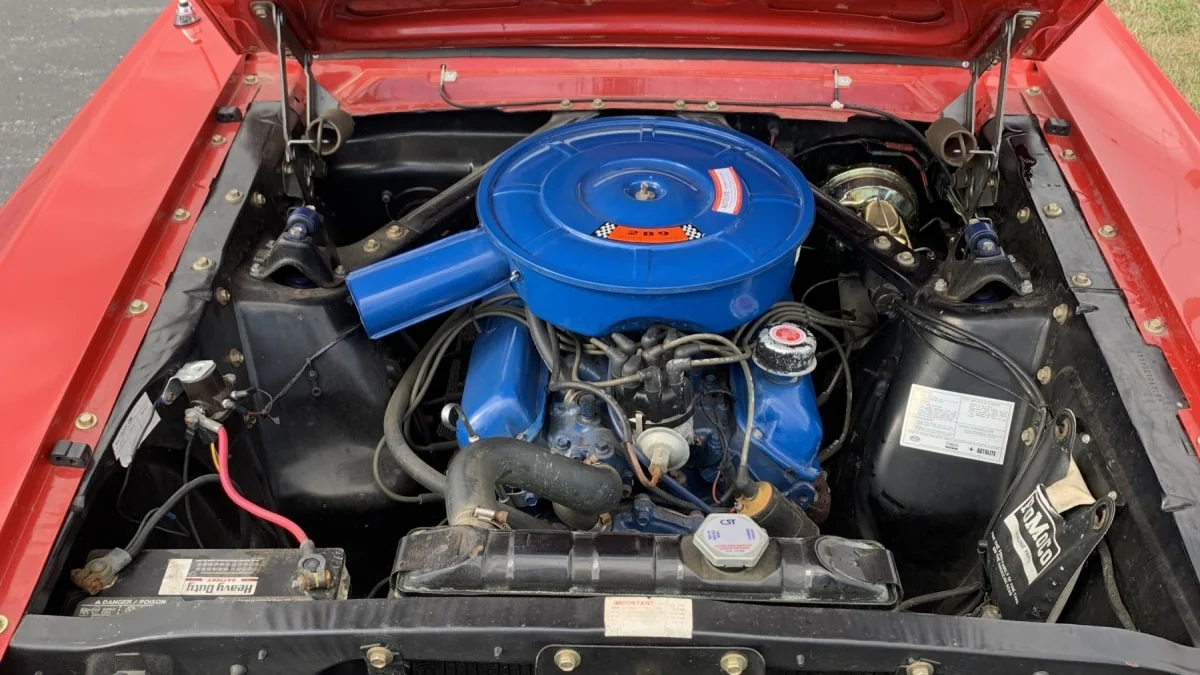
Ford Mustang (1967–1968): Hire Guide
The 1967–68 Ford Mustang is the era most people picture when they think 'classic Mustang': longer, wider, and more muscular than the 1964½–66 cars, with a fastback body that became iconic through Steve McQueen's Bullitt. Available as coupé, convertible, and 2+2 fastback with 200 cu in six and 289 / 390 / 428 V8 options.
At a glance
The 1967–68 Ford Mustang is the era most people picture when they think 'classic Mustang': longer, wider, and more muscular than the 1964½–66 cars, with a fastback body that became iconic through Steve McQueen's Bullitt. Available as coupé, convertible, and 2+2 fastback with 200 cu in six and 289 / 390 / 428 V8 options.
Specifications
1967–1968
- Years (this generation)
- 1967–1968
- Body styles
- Hardtop coupé, convertible, 2+2 fastback
- Base engine
- 3.3 L (200 cu in) inline-six, 120 bhp
- V8 options
- 4.7 L (289), 4.9 L (302 in '68), 6.4 L (390), 7.0 L (428 CJ in '68)
- Transmission
- 3- or 4-speed manual, 3-speed C4 automatic
- Drivetrain
- Front engine, rear-wheel drive
- Notable
- First Mustang to fit a big-block (390 / 428)
History
The 1967 redesign was the first major facelift of the original Mustang. The body grew in every direction to accommodate Ford's FE-series big-block V8s. 1968 was largely a carry-over with detail changes, including federal safety items, side marker lights, and the new 302 small-block. The 1968½ 428 Cobra Jet, introduced mid-year, gave Mustang its first genuinely fast factory engine.
What it's like to drive
A small-block 289/302 Mustang is friendly: light steering (with power assist on most), a torquey V8, and a soft ride that suits American boulevard driving better than tight European roads. Drum brakes (discs were optional) reward gentle planning. Big-block 390 and 428 cars feel heavy on the nose and are best on long, straight roads. All of them sound excellent and look the part for any 1960s–1970s setting.
What occasions it suits
The 1967–68 Mustang is the second most-requested 'movie car' on the platform after the Aston Martin DB5. Highland Green fastbacks are booked year-round for film and TV work, prom and high-school events, music videos, and bachelor / stag celebrations. Convertibles are popular for weddings in warmer markets (Cote d'Azur, LA, Sydney).
Cultural appearances
- Steve McQueen drove a Highland Green 1968 fastback through the streets of San Francisco in Bullitt (1968). Its car chase is arguably the most-quoted in cinema history.
- A 1967 fastback features in Gone in 60 Seconds (2000) as 'Eleanor'.
- The Mustang nameplate, launched April 1964, sold over a million units in 18 months and gave the 'pony car' segment its name.
What occasions it suits
- Film & TV picture car (US 1960s–70s settings)
- Wedding transport (convertibles especially)
- Prom and graduation hire
- Music videos and fashion shoots
- Bachelor / bachelorette day rentals
Live Ford Mustang (1967–1968) listings
Frequently asked questions
- What does it cost to hire a 1967 Mustang?
- Day rates typically range from £350 to £900 in Europe and US$400 to US$1,100 in North America, depending on body style, engine, and whether the car has been restored or is a survivor.
- Is a Mustang fastback hard to drive?
- No. A 289/302 small-block Mustang is one of the easier classic muscle cars to drive. Big-block 390 and 428 cars need more respect and are usually offered with the owner's brief before you set off.
- Are 'Eleanor' or 'Bullitt' replicas available on BookAclassic?
- Yes, several owners offer tribute / replica builds. Listings should disclose that the car is a tribute, not an original. If authenticity matters (e.g. film production), filter to original-spec cars.
Related models
Where to hire one
Use cases
Find your classic on BookAclassic
Browse thousands of classic and prestige cars from owners across the UK, Europe, Australia, New Zealand, South Africa, and Canada.
Last reviewed 2026-05-14